
Anuradhapura – Ancient capital filled...
Read MoreAnawilundawa Wetlands – Bird sanctuary and Ramsar site for nature lovers.
Anawilundawa Wetlands – Bird Sanctuary and Ramsar Site for Nature Lovers
Nestled on the northwest coast of Sri Lanka, Anawilundawa Wetlands is one of the island’s most important ecological treasures. Recognized as a Ramsar wetland site, this sanctuary is a haven for birdwatchers, nature enthusiasts, and eco-tourists seeking an immersive experience in Sri Lanka’s rich biodiversity. Covering over 1,500 hectares, the wetlands include a mix of freshwater lakes, marshes, and floodplains that provide a vital habitat for a wide variety of wildlife.
A Paradise for Birdwatchers
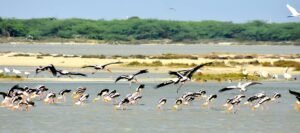
Anawilundawa Wetlands is particularly famous for its avian diversity. The sanctuary is home to over 150 species of birds, including several endemic and migratory species. Birdwatchers can expect to spot elegant purple herons, painted storks, lesser whistling ducks, and the rare Sri Lanka junglefowl. During the migratory season, the wetlands attract birds from as far as Siberia and India, making it a prime destination for ornithologists and photographers alike. The peaceful surroundings and unspoiled landscapes make every visit a serene experience for nature lovers.
Rich Flora and Fauna
Beyond birds, the wetlands support an impressive array of flora and fauna. The shallow lagoons and marshes are teeming with fish, amphibians, and reptiles, contributing to a balanced ecosystem. Various aquatic plants, such as lotus flowers and water lilies, create picturesque scenery and provide essential food and shelter for the wildlife. Visitors may also encounter smooth-coated otters, fishing cats, and marsh crocodiles, showcasing the diversity of life sustained by these wetlands.
Eco-Tourism Activities
For travelers seeking adventure and relaxation, Anawilundawa Wetlands offers eco-tourism activities that allow close encounters with nature. Guided birdwatching tours are highly recommended, as local guides provide insights into the species, their behaviors, and conservation efforts. Nature walks along the trails offer opportunities to observe wetland vegetation and photograph wildlife in its natural habitat. Canoeing through the calm waters is another popular activity, providing a unique perspective of the sanctuary and its inhabitants.
Conservation and Environmental Importance
Designated as a Ramsar site, Anawilundawa Wetlands plays a crucial role in environmental conservation. Wetlands act as natural water purifiers, flood controllers, and carbon sinks, making them vital for maintaining ecological balance. Conservation initiatives in the area focus on protecting endangered species, controlling invasive plants, and promoting sustainable tourism practices. By visiting the wetlands responsibly, tourists can contribute to the preservation of this unique ecosystem for future generations.
Best Time to Visit
The best time to explore Anawilundawa Wetlands is during the dry season, from December to April, when water levels are lower, making wildlife spotting easier. Early morning or late afternoon visits offer the best opportunities for birdwatching, as birds are most active during these hours. Visitors are advised to bring binoculars, cameras, and light clothing, and to respect the natural habitat by avoiding littering and loud noises.
How to Reach Anawilundawa Wetlands
Anawilundawa is easily accessible from major cities like Negombo and Chilaw. Travelers can hire a private vehicle or take a local bus to reach the sanctuary. Guided tours are also available for those seeking a more structured experience. The nearest accommodations are in Chilaw, offering convenient access for overnight stays and early morning excursions.
For anyone passionate about wildlife and natural landscapes, Anawilundawa Wetlands is a must-visit destination in Sri Lanka. Its rich biodiversity, tranquil surroundings, and eco-tourism opportunities make it an ideal spot for birdwatching, photography, and environmental education. Visiting this Ramsar-listed sanctuary is not only a memorable experience but also a chance to support conservation efforts in one of Sri Lanka’s most remarkable natural habitats.